PPIE Public Voices Help Shape Ground-breaking COVID-19 Study
Public input made a risky but vital COVID-19 study safer, fairer, and more transparent.
During the height of the COVID-19 pandemic, researchers from Imperial and others across the UK planned a bold and potentially controversial study: intentionally infecting healthy volunteers with the SARs CoV 2 virus to better understand how it spreads and how to fight it.
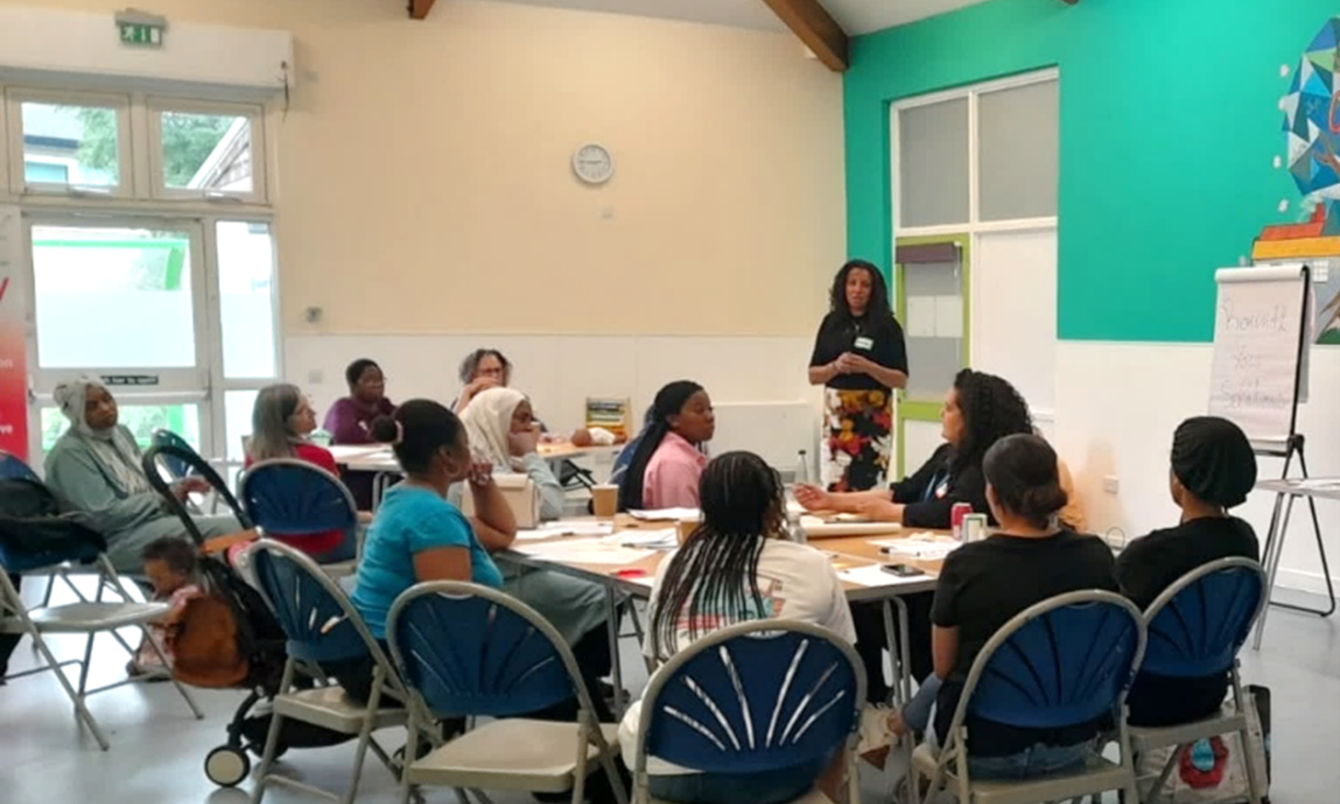
This was the world’s first human challenge study involving COVID-19, and it raised serious ethical questions, which made public input even more important. To make sure the study was safe, relevant and acceptable to the public, researchers held online discussion groups with people from different backgrounds, including ethnic minorities and previous research participants including those who had taken part in human challenge trials
Listening to Concerns About Risk and Inclusion
One major issue discussed was whether people from ethnic minority groups, who were shown to be at higher risk of severe COVID-19 outcomes, should be excluded from taking part in a COVID-19 human challenge trial. Some public contributors felt it was important to be inclusive, while others worried about the added risks. The study team decided not to exclude those from ethnic minorities but included a risk assessment tool in the trial participation screening process to help protect volunteers. They also committed to be transparent about the risks.
Improving Consent and Communication
Another discussion group reviewed the study’s participant information sheet (the document that study volunteers read about the study before consenting to take part). Although they found it long, it was considered necessary and suggested clearer explanations of risk, including comparisons to everyday dangers, and visual aids. The research team responded by adding diagrams, analogies, and even a video to help people understand what taking part would involve.
Discussion attendees also raised concerns about isolation during the study as they would be required to stay in a medical isolation unit for a 14-day minimum quarantine period. In response, the team added mental health checks and made sure volunteers would have regular contact with staff to reduce loneliness.
Changing Circumstances
During the preparation for this research study, vaccines were rolled out and new variants of COVID-19 emerged. Therefore, in light of these new developments, a further discussion group was hosted to understand whether the study was still considered to be acceptable and relevant. Most people in the final discussion group about these changed circumstances were still in support of the study as they considered it could help answer important questions, for instance, why some people don’t get sick from COVID-19 and how long someone stays infectious.
Why This Matters
The public involvement in this study led to practical changes in how the study was designed and carried out. It showed that even in a fast-moving pandemic, researchers can, and should, take time to listen to the people their work affects.
Insights gained from these public discussions were submitted to the UK Research Ethics Committee as part of the study’s ethics approval process. A member of the Health Research Authority (HRA) Specialist Research Ethics Committee, which reviewed and approved this study wrote the following in an article:
“Given the controversial nature of the study, it was essential that the design and review had meaningful and robust involvement of all with legitimate interest, both expert and lay (WHO criteria 3 and 4).1 We were pleased to note the detailed public involvement the research team had undertaken.”
As one of the study leaders said, involving the public helped make the research more ethical, inclusive, and trustworthy. And it proved that science works best when it’s done with people, not just for them.
The Imperial Patient Experience Research Centre’s Partnerships and Training Manager, Maria Piggin, who was part of the public involvement activities for this study reflected “COVID-19 showed that public involvement can be undertaken at pace and that it is especially valuable when research includes complex ethical aspects.”