Lung disease is common and limits the quality and quantity of life. Adopting a life-course approach, we aim to understand, predict and prevent respiratory and allergic diseases, both chronic and acute. By applying convergent science and bringing together different fields of study, we will address major unmet needs with the development of new biomarkers and therapies for early and advanced respiratory diseases.
Why this Research is Needed
Lung diseases are common, affecting more than 12 million people in the UK, and they are burdensome, accounting for one in two hospital admissions and one in five deaths. They impact disproportionately on the very young, elderly, poor and underserved. Air pollution, which is common in urban environments such as northwest London, causes 6.5 million deaths worldwide per year, and is predicted to double by 2050.
Research in lung disease is underfunded, with low levels of charitable support and commercial investment. Embedded within the northwest London community, this theme aligns respiratory expertise at the National Heart and Lung Institute and adjacent hospitals to ensure that lung disease research remains a top priority. Through our research programme, we aim to optimise the respiratory health of the population.
Theme Aims
- To define factors influencing lung disease onset, severity, and progression across the life-course. This addresses the questions: ‘Why me?’, ‘Will my kids be next?’, and ‘How can I best help myself?’
- To predict risk factors for acute respiratory infection and identify triggers of exacerbations (flare-ups) of chronic lung diseases. Such episodes are dreaded by patients and represent a major healthcare burden.
- To improve healthy life expectancy for patients living with or at risk of severe respiratory disease, we will develop new, advanced therapies that enable the right new treatments to be delivered to patients in a personalised fashion.
Detailed objectives can be found here
Upcoming /Ongoing Projects within the Theme
Project 1: Recurrent wheeze in pre-school children: Drs Saglani/Lloyd/Bush/Thwaites/Fontanella study early infections and maturity in the lungs’ immune systems to identify factors which predict asthma, seeking distinctions between those related to long-term persistence and resolution.
Project 2: The United Cohorts Research Network (UNICORN; www.unicornstudy.co.uk/programme). Led by Dr Custovic, in collaboration with Drs Cullinan/Fontanella/Saglani, UNICORN applies advanced statistical analyses to large datasets from patient groups to define signals associated with onset, progression, and severity of allergic disease and asthma.
Project 3: Respiratory Data Hub. In partnership with Health Data Research (HDR)-UK Drs Quint/Jarvis/Amaral/Bloom are establishing this resource, defining the prevalence and nature of respiratory illness and associated health conditions in our diverse north west London population (https://www.hdruk.ac.uk/helping-with-health-data/health-data-research-hubs/breathe/).
Project 4: Early COPD cohort: researchers will define clinical, imaging, and biomarker predictors of disease susceptibility and prognosis in ‘healthy’ smokers, Dr Wedzicha https://www.hra.nhs.uk/planning-and-improving-research/application-summaries/research-summaries/the-blf-early-copd-development-partnership-grant/)
Project 5: Viral infections: mechanistic studies will define the determinants of viral infection and secondary bacterial infection. This will be supported by our community surveillance (NW London-WISC database), NIHR-HPRU in Respiratory Infections (Drs Lalvani/Zambon), natural infection studies in children and adults (Drs Openshaw/Johnston/Thwaites/Chiu), the Imperial-led HIC-Vac consortium, and our London COPD-Exacerbation Cohort (Dr Wedzicha).
Project 6: Impact of environment and pollution on lung health: this new study will recruit 100 households and establish a residential indoor-outdoor air quality sensor network to address whether behavioral change can reduce air pollution risk and improve health (Kelly/Mudway/Chung).
Project 7: Improving outcome measures for interventional clinical trials. We will validate remote lung-function monitoring (Drs Jenkins/Wickremasinghe/Saglani; https://gow.epsrc.ukri.org/NGBOViewGrant.aspx?GrantRef=EP/W002280/1), small airways physiology and imaging (Drs Usmani/Davies), to develop better/faster diagnostics and outcome measures for Phase 2/3 trials.
Project 8: Design and delivery of precision medicine trials including first-in-human studies of gene therapies for CF, alpha-1-antitrypsin deficiency and alveolar proteinosis (Drs Griesenbach/Alton/Davies) utilizing our proprietary lentiviral-vector platform.
Project 9: Through the NIHR/MRC-funded DEMISTIFI study we will develop a fibrotic multi-morbidity platform to identify drug-repurposing opportunities in IPF (Dr Jenkins; https://gtr.ukri.org/projects?ref=MR%2FW014491%2F1).
Pilot Projects
Preparing the NHS for a Surge in Severe Asthma: Who Qualifies for Biologic Treatments?
What is this project about?
Severe asthma is a debilitating condition that does not respond adequately to standard inhalers, leaving patients at high risk of dangerous attacks, hospitalisations, and a significantly reduced quality of life. A new generation of targeted treatments called biologics – advanced medicines made from living cells (often antibodies) and designed to target specific parts of the immune system – have transformed care for some patients, but access depends on meeting strict eligibility criteria that vary considerably between countries. This project investigated how many patients in the UK and worldwide are eligible for these treatments, how eligibility criteria compare internationally, and what barriers exist to patients accessing them – using both a global systematic review and analysis of real-world NHS data from over 1.4 million adults.
Why does it matter?
Biologic therapies can dramatically reduce asthma attacks and hospital admissions, but many patients who could benefit are not receiving them. The criteria used to determine eligibility vary significantly between UK NICE guidelines, global standards, and those used in clinical trials, meaning the same patient might qualify in one country but not another. By mapping these differences and quantifying how many NHS patients are currently eligible, this project provides the evidence base needed to inform policy decisions, update clinical guidelines, and make the case for broader, more equitable access to these life-changing treatments.
What are the outputs of the project?
A systematic review of international studies and a large analysis of real-world NHS data consistently showed that current UK eligibility criteria for biologic therapies are considerably more restrictive than those used internationally and in clinical trials — meaning a significant proportion of patients who might benefit under broader definitions are currently excluded from treatment. Findings were presented at the European Respiratory Society Conferences in 2023 and 2025, and an online report of the systematic review was featured in Physician Weekly. The project was conducted in collaboration with Prof Chloe Bloom at Imperial College London as co-investigator and supervisor, and Justin Salciccioli at Brigham and Women’s Hospital, Harvard Medical School in Boston, as author and reviewer on the systematic review — reflecting the international reach and relevance of the work.
How were patients and the public involved?
This project used anonymised, pre-existing data from the Clinical Practice Research Datalink (CPRD) and did not involve direct patient or public involvement in its design. The recommendations generated by this project are intended to support more equitable and earlier access to biologic therapies, directly improving long-term outcomes and quality of life for patients with severe asthma.
Investigating New Biomarkers in Breath and Lung Tissues to Improve Asthma Diagnosis and Treatment
What is this project about?
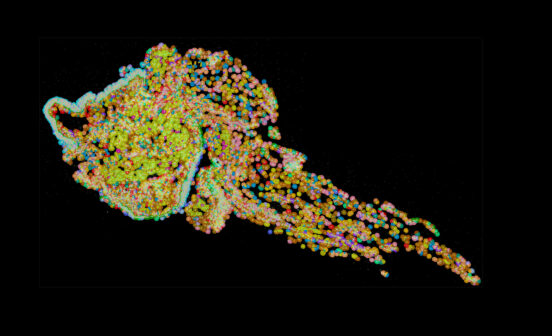
Asthma is a common lung condition causing breathing difficulties, and in its severe form it remains poorly understood and difficult to treat. This project investigated a group of harmful chemicals called Reactive Aldehyde Species (RASP), byproducts of oxidative stress and inflammation produced in the body, which are found in the lungs of asthma patients. Using cutting-edge imaging and mass spectrometry techniques, the team mapped where these chemicals are distributed within lung tissue and explored whether they could be detected in breath samples. The goal was to establish RASP as a new type of biomarker that could improve how asthma is diagnosed, monitored, and ultimately treated.
Why does it matter?
Current asthma diagnosis and monitoring rely heavily on lung function tests that do not capture the underlying molecular causes of the disease. A simple breath test capable of detecting RASP could allow doctors to diagnose asthma earlier, track its severity non-invasively, and personalise treatment based on a patient’s specific molecular profile. Beyond diagnosis, identifying RASP as a driver of airway inflammation opens entirely new therapeutic targets — offering the prospect of treatments that address the root causes of severe asthma rather than just managing symptoms.
What are the outputs of the project?
A key technical achievement was the optimisation of LD-REIMS (Laser Desorption Rapid Evaporation Ionisation Mass Spectrometry) for detecting RASP metabolites in lung biopsy samples, enabling detailed molecular maps of harmful chemicals within lung tissue to be created for the first time in this context. Preliminary results exploring RASP detection in breath samples are promising and are being taken forward. The pilot data generated has supported a successful grant application and is informing the preparation of an MRC fellowship application. Further funding of £1,175,983 has been secured through the Chinook Spatial Remodelling sub-study, demonstrating the significant leverage generated by this early-stage work. Collaboration with Prof Zolan Takats and Dr Yuchen at Imperial’s Department of Systems Medicine has enabled multidisciplinary expertise in metabolomics and advanced tissue imaging to be brought to bear on the project.
How were patients and the public involved?
The research has been designed with patient benefit firmly in mind — with the ultimate aim of developing non-invasive diagnostic tools and personalised treatments for people with severe asthma. The team is committed to involving patients more actively in future stages of the work, particularly as findings move closer to clinical application.
Mapping the Blood Vessel Architecture of Airway Walls in Severe Asthma
What is this project about?
While we have a good understanding of how the lungs work in general, far less is known about why respiratory diseases like asthma affect specific regions of the lungs and why treatments targeted to these areas sometimes fail to work effectively. This project focused on studying the detailed architecture of the blood vessels within the walls of the airways in severe asthma, examining how the microscopic structure of these regions is disrupted during disease. By understanding how the vasculature, the network of blood vessels, is spatially organised in affected lung tissue, the team aimed to uncover new insights into why asthma develops and how it might be better treated.
Why does it matter?
The blood vessels lining the airways play a critical role in regulating inflammation, delivering immune cells, and maintaining tissue health. In severe asthma, disruption to this vascular architecture may contribute to the persistent inflammation and airway remodelling that makes the condition so difficult to control. Defining exactly how and where this disruption occurs at the microscopic level could reveal new therapeutic targets and help explain why some patients respond poorly to existing treatments, paving the way for more precisely targeted therapies.
What are the outputs of the project?
A key publication has been produced — “Mast cell activation disrupts interactions between endothelial cells and pericytes during early life allergic asthma” — published in the Journal of Clinical Investigation, a leading international journal. This work demonstrates how mast cell activation, a key feature of allergic asthma, disrupts the normal relationship between the cells lining blood vessels and the supporting cells that surround them, providing important new mechanistic insight into airway vascular remodelling in asthma. The pilot data generated by this project has directly supported a £1,903,191 Wellcome Trust award, representing exceptional leverage from the initial BRC investment and enabling the research to be significantly expanded.
How were patients and the public involved?
The findings have clear and direct relevance to patients with severe asthma, and the follow-on funding will provide the opportunity to engage patients and the public more actively as the research progresses toward clinical application.
How Stiff White Blood Cells May Be Driving Lung Scarring in Idiopathic Pulmonary Fibrosis
What is this project about?
Idiopathic pulmonary fibrosis (IPF) is a devastating and incurable lung scarring disease with a mean survival of just four years from diagnosis, and no treatments currently able to halt its progression. This project investigated the role of neutrophils in driving the lung damage seen in IPF. Neutrophils are white blood cells that must squeeze through the tiny blood vessels of the lungs to do their job. Using a specialised technique to measure how stiff or deformable these cells are, the team discovered that neutrophils from IPF patients are significantly larger and stiffer than those from healthy people, and that this stiffness correlates with disease severity. Stiffer neutrophils are more likely to become trapped in the narrow lung capillaries, potentially causing blood vessel damage and accelerating the scarring process.
Why does it matter?
IPF is poorly understood and urgently needs new treatments. The discovery of a distinct neutrophil biomechanical phenotype in IPF, not previously observed in other diseases, points to a completely new mechanism that could be targeted therapeutically. The team also found evidence of metabolic dysregulation in a subset of patients, suggesting that neutrophils in IPF are not just physically different but also genetically and metabolically altered. Identifying why this happens and how to reverse it could open the door to treatments that prevent neutrophils from becoming trapped in the lungs, reducing blood vessel damage and slowing disease progression.
What are the outputs of the project?
The project has generated a rich network of new collaborations: with Prof Jochen Guck at the Max Planck Institute for cell biomechanical analysis; with Iain Stewart at NHLI for bioinformatic analysis and as co-applicant on an MRC grant; with Prof Timothy Ebbels and Dr Gopal Dhondalay at Imperial for machine learning and bioinformatics; with Prof David Carling at Imperial’s Institute of Clinical Sciences to investigate cell metabolism; with Prof Andrew Murray at Cambridge for high-resolution respirometry; with Dr Agustin Clemente Moragon at the Spanish National Centre for Cardiovascular Research; and with Arcus Biosciences to examine a novel HIF2 inhibitor in pre-clinical models. A new collaboration with Prof Manuel Mayr at NHLI has also been established to understand how neutrophil metabolic changes link to biomechanical and transcriptional alterations.
How were patients and the public involved?
Prior to submitting the project proposal, pilot data on neutrophil function were presented to two patient groups through Asthma and Lung UK Zoom meetings, including the Westminster group, to ensure the research was relevant and inclusive. A discussion forum was opened, and patient feedback directly shaped the proposal to include the use of technologies most relevant to patients. The team has committed to feeding back results to the same patients at an in-person meeting and to using their input to refine the next grant application. The team also discussed IPF and neutrophil-mediated lung disease with patients and members of the public at a dedicated stall at the Great Exhibition Road Festival 2024.
Changes in Airway Inflammation in Severe Asthma After Treatment with Targeted Biologic Injections
What is this project about?
Severe asthma is driven by a type of allergic inflammation in the airways known as Type 2 airway inflammation, which involves the activation of immune cells, that release inflammatory proteins causing breathing difficulties. A new generation of targeted treatments called biologic injections — including omalizumab, mepolizumab, and benralizumab — work by blocking specific parts of this inflammatory process. This project measured and compared the levels of inflammatory proteins in the airways of children and adults with severe asthma before and after treatment with these biologics, to better understand which proteins change with treatment and which might predict who will respond best.
Why does it matter?
Not all patients with severe asthma respond equally to biologic therapies, and there are currently no reliable tests to predict who will benefit from which treatment. By identifying specific proteins in airway samples that are associated with a good clinical response, this project lays the groundwork for more personalised treatment decisions helping doctors choose the right biologic for the right patient and potentially sparing those unlikely to respond from ineffective treatments and unnecessary side effects.
What are the outputs of the project?
In children with severe asthma, those who responded well to biologic injections already showed distinct patterns of airway proteins before treatment began, suggesting that these patterns can serve as predictive biomarkers. In adults, specific proteins linked to airway inflammation were found at much higher levels in people with severe asthma compared to healthy individuals, and one biologic — mepolizumab — was particularly effective at bringing these proteins back down to near-normal levels, while the other biologics tested did not show the same effect. This is an important finding, as it suggests that different biologic treatments work in meaningfully different ways, and that matching the right treatment to the right patient could make a real difference to outcomes. The next step will be to combine these protein findings with detailed immune cell data and clinical information to build a more complete picture of what predicts a good response to treatment.
How were patients and the public involved?
This project utilised clinical samples collected under pre-existing clinical trials that each had comprehensive patient and public involvement embedded in their design. Patients and the public therefore contributed to the research indirectly through their involvement in the parent studies, which shaped the sample collection protocols, consent procedures, and research questions that underpinned this work.
From Postcode to Prognosis: Understanding Inequalities in Chronic Respiratory Disease Across the UK
What is this project about?
Chronic respiratory diseases, including asthma, chronic obstructive pulmonary disease (COPD), and interstitial lung disease (ILD), affect millions of people in the UK, but they do not affect everyone equally. This project used large-scale electronic health record data, covering 98% of GP practices in England, to investigate how factors such as age, sex, ethnicity, socioeconomic status, and region influence who is diagnosed with these conditions and what happens to them over time. It also examined how the COVID-19 pandemic affected diagnosis rates, deaths, and disease flare-ups in people with chronic respiratory diseases across England, Wales, and Scotland.
Why does it matter?
Understanding which groups of people are most at risk of developing chronic lung disease — and which are most likely to experience serious complications or die — is essential for designing fairer, more effective healthcare policies. By identifying where inequalities exist, this research provides the evidence needed to target interventions at the populations who need them most, and to ensure that healthcare resources are allocated equitably across the UK.
What are the outputs of the project?
The project formed part of a landmark UK-wide collaboration with Imperial College School of Public Health, Swansea University (SAIL Databank), and the University of Edinburgh (DataLoch), harmonising data across four electronic health record systems spanning three nations — a significant methodological achievement. This work directly supported the award of a 2-year HDR UK Research Fellowship and a promotion to Research Fellow, reflecting the quality and impact of the research.
How were patients and the public involved?
Direct patient involvement has not yet taken place in this phase of the project, as the work is based on anonymised population-level data. However, the team attended the Great Exhibition Road Festival, where they engaged the public on how electronic health records are used to improve health, using Lego to illustrate patient journeys through the NHS, and gathered public views on research priorities including sex differences in asthma. The HDR UK driver programme PPIE leads provided high-level input on research priorities that helped shape the direction of future work.
Patient and Public Involvement, Engagement and Participation
We will collaborate with six community partners to inform and monitor the delivery of the theme’s aims and objective against the Imperial Biomedical Research Centre’s (BRC) Public Involvement, Engagement and Participation (PIEP) strategy. This will involve monthly meetings between the community partners, the PIEP lead and the Patient Experience Research Centre (PERC). One community partner will attend quarterly theme management meetings to provide strategic advice and ensure PIEP is considered in all theme activities.
We will build relationships with local communities by attending community-led events where respiratory health has been identified as of interest to the local population. We will increase the visibility of respiratory research by engaging with PERC-led community events and support cross- cutting theme activity to maximise PIEP collaborations.
Equality, Diversity and Inclusion
An EDI (Equality, Diversity and Inclusion) champion will ensure that theme activity is representative of and accessible to our diverse staff and local population. We will ensure PIEP community partners are from diverse backgrounds. This will support the inclusion of underrepresented communities in our research and provide guidance and support for researchers on how to maximise PIEP activity in their research.
We will support staff from underrepresented backgrounds, including but not limited to ethnic minority groups, females, NMAHPP (non-medical, allied health professional and pharmacy) professionals, and early career researchers, in accessing opportunities. To support this, we have NMAHPP representation on the theme management committee and as the PPIEP lead. We will work closely with staff networks across Imperial College London and Imperial College Healthcare NHS Trust to promote research opportunities.
Key Individuals
-

Professor Jane Davies
Theme Lead, Respiratory & Professor of Paediatric Respirology & Experimental Medicine -
Professor Salman Siddiqui
Theme Lead, Respiratory; Clinical Chair of Respiratory Medicine -
Dr Shauna McKibben
PPIEP Lead; Allergy and Asthma Clinical Nurse Specialist, Imperial College NHS Trust, -
Professor Adnan Custovic
Clinical Chair in Paediatric Allergy -
Professor Clare Lloyd
Vice-Dean (Institutional Affairs); Faculty of Medicine -
Professor Gisli Jenkins
Margaret Turner Warwick Chair of Thoracic Medicine -
Professor Jennifer Quint
Professor of Respiratory Epidemiology -
Professor Mohamed Shamji
Professor of Immunology and Allergy -
Professor Peter Openshaw
Professor of Experimental Medicine -
Professor Sejal Saglani
Professor of Paediatric Respiratory Medicine -
Professor Uta Griesenbach
Professor of Molecular Medicine -
Professor Wisia Wedzicha
Clinical Chair in Respiratory Medicine