Treatment One Trip. One Brain Change
Mental health conditions — depression, anxiety, PTSD, addiction — affect an estimated one billion people worldwide, and for many of them, conventional treatments simply do not work well enough. Roughly one in three people with depression fails to respond adequately to standard antidepressants, and there is a pressing, unmet clinical need for something genuinely different.
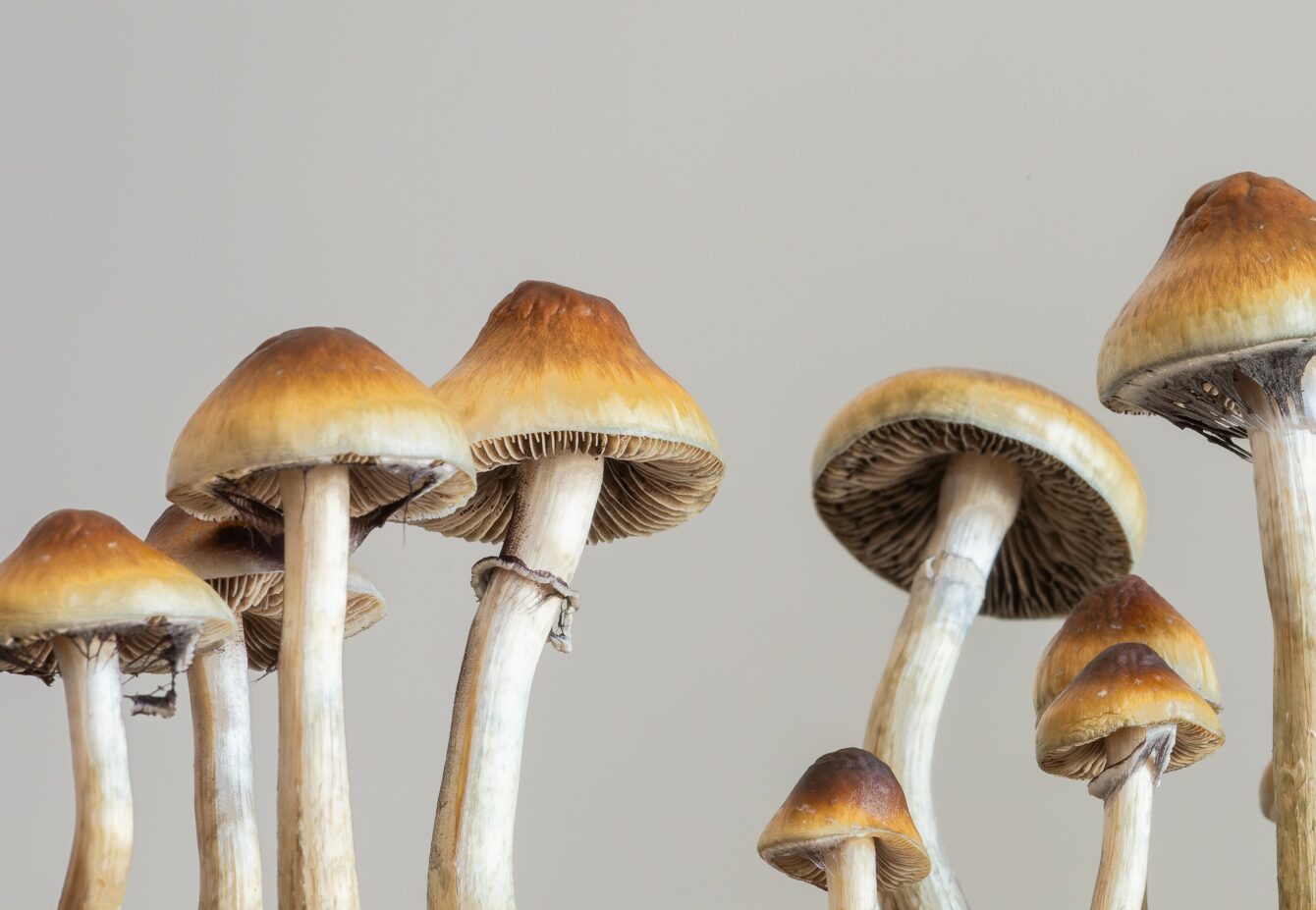
Psilocybin, which is the active ingredient in magic mushrooms, has been generating serious scientific excitement. A daily pill to manage symptoms, appears to catalyse lasting psychological change from just one or two supported sessions. But until now, nobody had properly documented what it actually does to the human brain.
A new study recently published by researchers at Imperial College London and UCSF is providing insight on the subject. It is the first of its kind study to track what a single dose of psilocybin does to the brains of people who have never taken a psychedelic before. The study was supported by the NIHR Imperial Biomedical Research Centre (NIHR Imperial BRC) under Brain Sciences Theme and was covered on the day of publication by both The Guardian and Scientific American.
Twenty-eight healthy volunteers each received 1mg of psilocybin which was small enough to be considered a placebo. One month later each participants received a full 25 mg dose. This second dose was sufficient to produce an intense psychedelic experience that 27 of the 28 rated the most unusual state of consciousness of their entire lives.
During the experiment, the brain’s electrical activity became dramatically richer and more unpredictable — a phenomenon scientists call brain entropy. The bigger this surge, the more psychological insight participants reported the next day, and the better their wellbeing and mental flexibility a month later. This is an important finding in its own right: it helps clarify that the psychedelic experience itself, rather than just the drug’s chemistry, is the engine of therapeutic change — something that has direct implications for how psilocybin-assisted therapy should be designed and delivered.
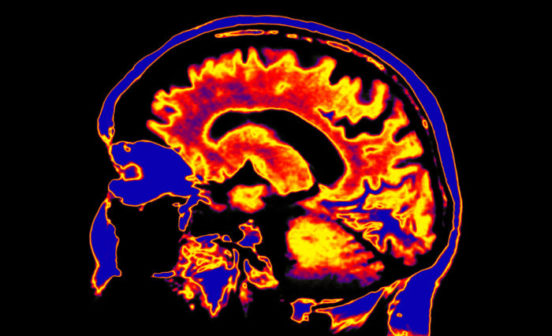
Most strikingly, MRI scans taken a month after the high dose revealed apparent changes to the physical structure of nerve fibre bundles connecting the front of the brain to deeper regions — the tracts appeared denser and more tightly organised, the opposite of what is typically seen in ageing and dementia. Whether this reflects genuine rewiring of the human brain remains to be confirmed in larger studies, but it raises the tantalising possibility that psilocybin’s reach could extend beyond mental health to neurodegenerative conditions.
The FDA has already recognised psilocybin’s potential by granting it Breakthrough Therapy designation for both treatment-resistant and major depression. This study sheds light on the biological scaffolding to explain why it works — and that matters enormously, both for convincing regulators and for designing treatments that are as safe and effective as possible. It has the potential to address the current shortfall in effective therapy for the more than one billion people worldwide living with mental health conditions.
Full paper: Lyons T et al. Nature Communications 17, 3977 (2026). DOI: 10.1038/s41467-026-71962-3