Capacity & SkillsEvent Event helps NMAHPP staff become research aware, research ready and research active

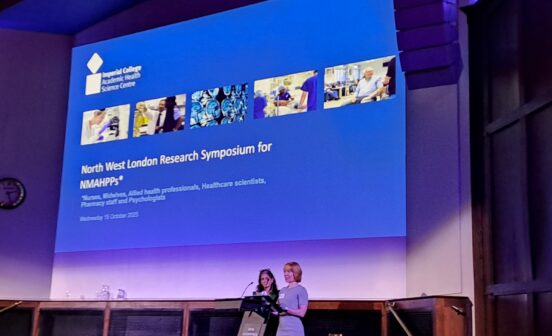
On 30 September, the Imperial Clinical Academic Training Office (CATO) organised the annual north west London Research Symposium for nurses, midwives, allied health professionals, healthcare scientists, pharmacy staff and psychologists (NMAHPPs). The event was hosted by Dr Gemma Clunie (Lead for clinical academic AHPs, Imperial College Healthcare NHS Trust), Dr Lina Johansson (Co-lead for clinical academic AHPs, Imperial College Healthcare NHS Trust), Professor Natalie Pattison (Professor of Clinical Nursing, Imperial) and Dr Karen Joash (the Director of CATO). CATO is an award-winning team, providing a broad mix of support, events and opportunities to help clinicians across all professions get involved in research.
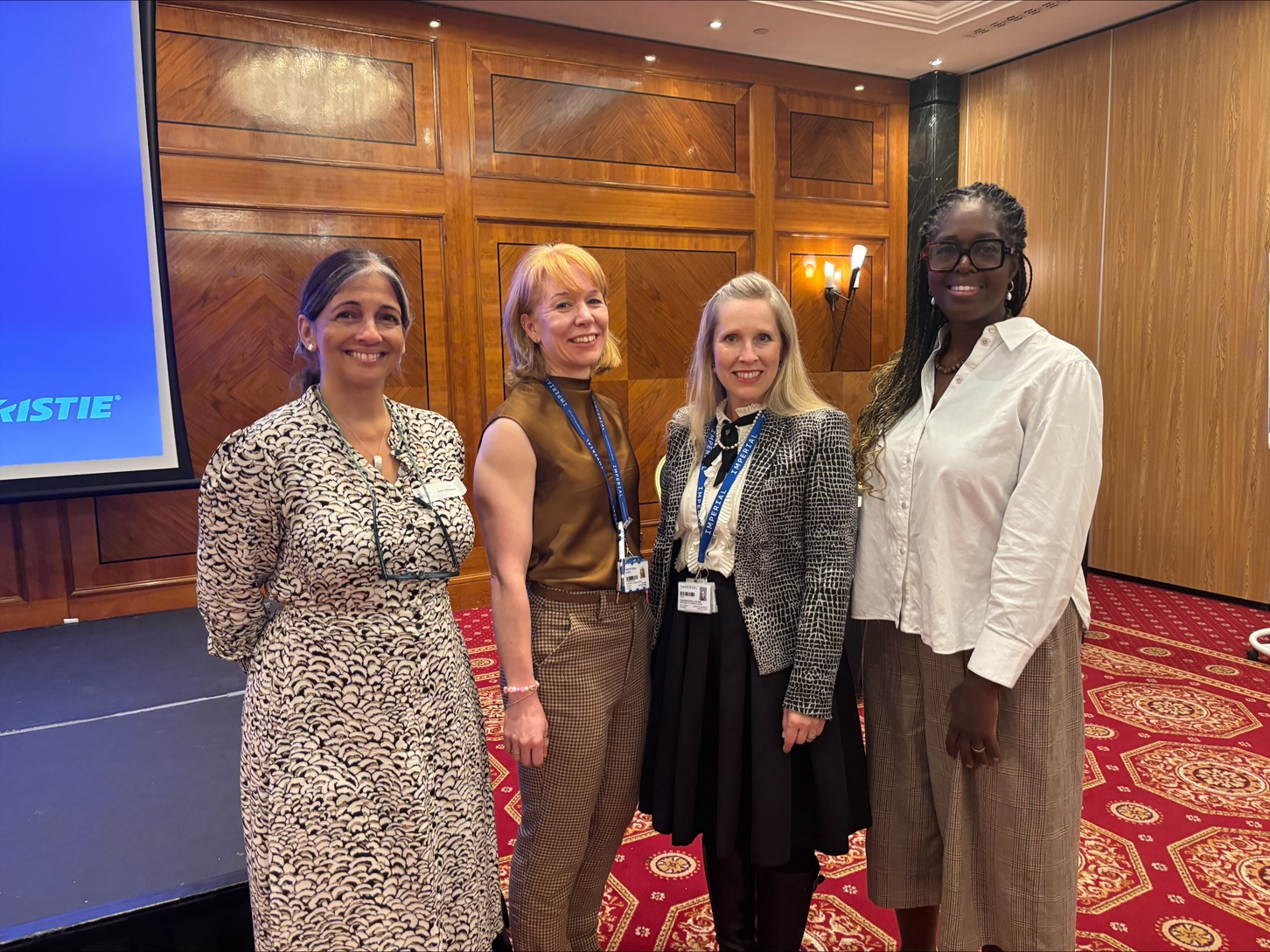
Over 100 people gathered at the symposium, designed to encourage NMAHPPs to get involved in healthcare research and to learn about various training opportunities to pursue a research career. The annual event brought together people who are either thinking of taking a research postgraduate course, wondering about pursuing a research career or already involved in research.
A programme of inspirational speakers
The event began with a keynote lecture from Professor Natalie Pattison, BRC funded lead research nurse, who shared her journey from being a nurse in intensive care to becoming a professor. She reflected on how important it is to surround yourself with the right people to help you climb the clinical academic ladder and how having a ‘national voice’ helped her progress. She also discussed ways to strengthen the research capacity and capability of nurses and midwives. She said: “There was so much enthusiasm in the room, from early to mid-career researchers – with a sense of understanding what can be achieved as practitioner-researchers to make a difference for patients”.
Camelia Vladescu, NIHR Doctoral Fellow also shared her experience of moving from working on clinical trials in the NHS to being a researcher and studying for a PhD in immunology. Camelia told the audience how a patient’s experience has shaped her work studying the gut microbiome: “one story is an anecdote: hundreds of them make up a research question.”
Camelia completed an Imperial Health Charity and Imperial BRC pre-doctoral fellowship before securing a NIHR Doctoral Award. Her journey is an excellent example of how the BRC supports people to become clinical academics as part of Academic Capacity Development strategy.
The two highest scoring abstracts were given as oral presentations – Aseel Mahmoud, a health services researcher, told the audience about her work supporting staff to monitor adverse drug reactions in patients. Clinical academic and speech and language therapist Dr Mari Viviers described the SLT-NOW e-Delphi study which is evaluating this tool to target interventions and consistently measure their impact across neonatal units.
Top tips
The rest of the day was packed with workshops which provided aspiring and established researchers with invaluable knowledge and advice on different aspects of a research career. The workshops included how to write for publication, preparing a fellowship application, communicating impact and how innovation is supported in the NHS.
Dr Gemma Clunie, BRC academic capacity development lead, reflected on the symposium: “Across north west London, nurses, midwives, allied health professionals, healthcare scientists, pharmacists and psychologists are showing real enthusiasm and ambition for research. The symposium was a fantastic afternoon that celebrated their successes and gave attendees the chance to connect with fellow clinical academics.”